We’ve all heard the cheesy slogans and redundant warnings: “You wouldn’t steal a purse”; “Piracy is not a victimless crime”; “Illegal copying or distribution of this film is punishable by up to 5 years in prison or a $250,000 fine.”
Indeed, most of us are aware in our technology-dependent world that cyber crime is a serious and increasingly common issue, with problems ranging from identity theft to hackers to scammers to an almost endless list of other internet scandals.
It’s so easy for us to picture ourselves in a bubble of law-abiding innocence while seeing a corrupt, demoralized, and utterly lawless group of cyber criminals in a separate bubble of diabolic evilness. However, what if I said that not only the common lawbreakers, but many of the generally upstanding citizens around us are just as entrenched in illegal activities as the other end of society?
From research and extensive personal experience, I have learned that in general, music copyright laws have been poorly understood by my generation—myself included. Even many overall honest young people are either unknowingly or indifferently stealing from the music industry. All of us need to reevaluate how we are using music and make any adjustments necessary, because although many do not view it so, pirating music in any form is just as serious as other manifestations of thievery.
Granted, there are many honorable methods of downloading or listening to music. With modern technology, resources expand far beyond simply going to a store and buying physical CD albums to options such as iTunes, Pandora, Spotify, Amazon Prime, and many other legitimate sources. And there are certainly many people who are satisfied with these legal music distributors, especially with the advent of the ability to carry the internet in one’s pocket and thus be able to rely on online playlists that almost seem to eliminate the need to own the music altogether.
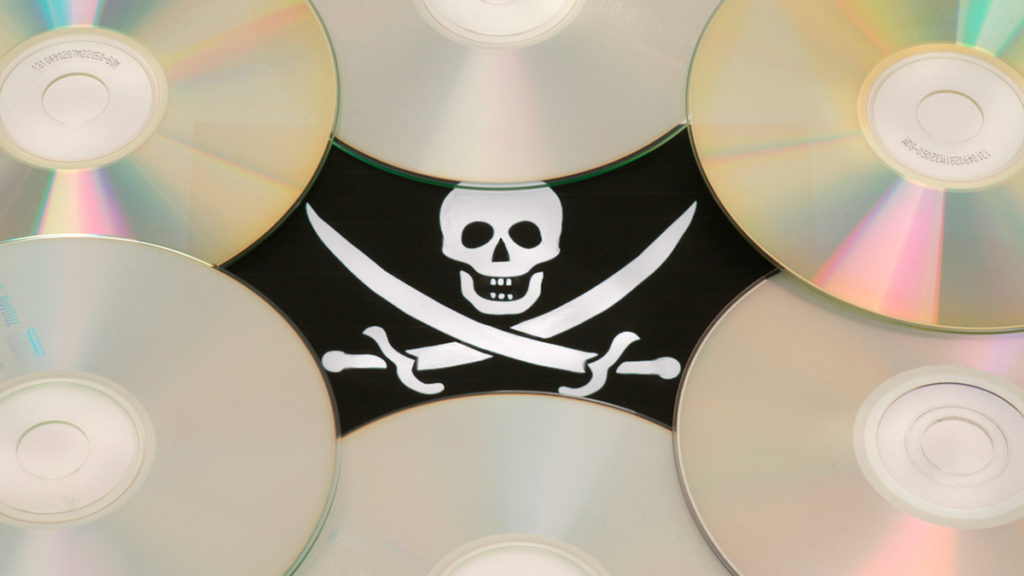
On the other hand, many popular methods of music distribution are indisputably illegal. Audio copyright infringement is defined as “whoever directly or indirectly by any means, knowingly transfers or causes to be transferred any sound recorded on a phonograph record, disc, wire, tape, film, videocassette or other article on which such sound is recorded, with intent to sell, rent or transport, or cause to be sold, rented or transported…without the consent of the owner.” This includes practices such as using Youtube converters on copyrighted material; torrents; sharing music files through flash drives, external hard drives, e-mail, or burning CDs; and even ripping music from public libraries with the intent to save it on a personal device. Just to name a few.
The ramifications of stealing music extend far beyond legal and moral infractions, however. Some have said that illegal downloading is of little consequence because the music industry is already overflowing with money. While this may be true for big-name artists, those who are just starting out and trying to get on their feet as musicians tend to suffer financially when their work is taken without compensation, rendering it difficult for them to fund further music.
Others claim that many artists are actually in favor of illegal distribution of their work in order to spread their music faster and more broadly. Yet the major artists who don’t really need the money seem to be those most vocally opposed to the practice, while the small-time artists are the ones who are hurt the most from it, so where this group of piracy-promoting artists can be found remains to be seen. Perhaps sites such as Spotify that allow for free listening (not downloading) and still manage to pay the artists could be considered beneficial to them, but having widely distributed music that no one will ever pay for is a lose-lose situation for rising musicians.
Others still reason that seeing as they are too poor to afford purchasing all the music they like, and seeing that everyone around them seems to be doing so, their participation in such downloading is justified. That’s like saying since I don’t have any spending money and since I saw several other toddlers do it, I can discreetly stuff handfuls of jawbreakers into my pants at the candy shop without feeling bad about it. Actions of the popular masses do not excuse actions of the individual. And as has been mentioned, there are plenty of legal alternatives for less-wealthy people to enjoy music on the internet while still allowing equally non-wealthy musicians to have a chance at making a living.
Now, even with the illegality of certain music-transporting methods established, it could be argued that there is no evidence that these crimes are prevalent among morally well-grounded members of society. Allow me to illustrate with a few personal examples.
To begin with, I grew up with music-downloading all around me. I’ve had siblings, cousins, even roommates at BYU, all wonderful and character-rich people, who openly admit they don’t pay for most of the copyrighted music they listen to on their iPods or mp3 players.
Furthermore, on my mission, a time when I considered myself surrounded by more individuals of integrity and genuineness than perhaps any other period in my life, music copyright infringement was also, incredibly, more prevalent than any other time up until that point. CD-burning and distribution was rampant, and although some of the content was not bound under copyright restrictions because of its free availability on lds.org, much of it was most certainly overstepping the bounds of the legal transport of music files. One of my companions spent vast amounts of time on Preparation Day copying music from the library onto his external hard drive. Eventually, all of this came to the attention of my mission president, and he did make efforts to counsel us to put an end to it, although with varying degrees of responsiveness by individual elders.
That said, I was not so aware of the exact nature of copyright laws myself as a young teenager. What with the examples of those around me and my own ignorance, for a time I was under the impression that any way I could get music onto Windows Media Player (particularly through Youtube) was alright. Sometime before my mission, my eyes were opened to the error of my ways, and I ceased the practice. In addition, I did everything within my power to identify and purchase all the music I’d ever acquired without permission—which was a considerable amount. Now, I mention this not to aggrandize my own nobility or righteousness; rather, these examples serve as a small glimpse into how easy and common musical piracy is even among those with high standards: Missionaries, well-principled families, and BYU students, for instance.
Although ignorance and disregard for music copyright laws are widespread, so is our ability to become better informed and decide to more strictly live the higher standard. Music consumption statistics report that 63% of music is downloaded illegally. Despite the claims of some that this is a gray area, the facts are clear. The truth is, an album improperly acquired online is just as serious an infraction as walking into Best Buy and stealing $20.
Therefore, each of us must individually decide to make an honest personal evaluation of how we use music, and if needed, amend our ways. No one ought to feel guilty about lacking a full understanding of such complicated legal issues, but once we have a sufficient understanding, we are responsible to artists, the music industry, family, friends, deity, and ourselves to act.
 The Commonplace Notebook