
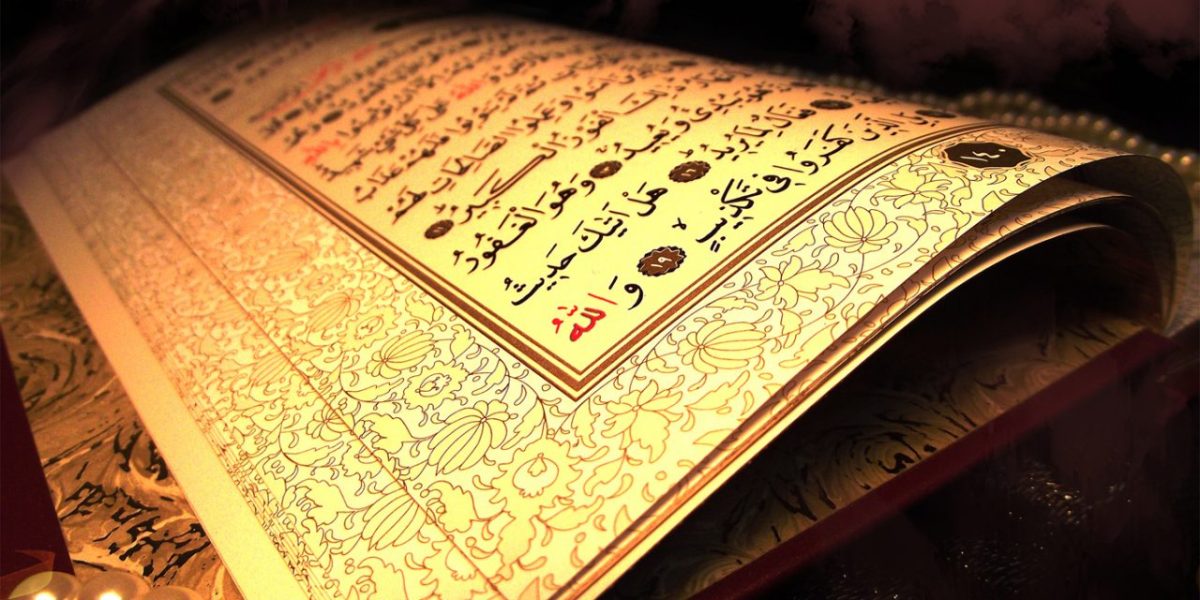
“True Religion, in God’s eyes, is islam: devotion to Him alone. … Ask those who were given the Scripture, as well as those without one, ‘Do you too devote yourselves to Him alone?’ If they do, they will be guided, but if they turn away, your only duty is to convey the message.” (Quran, 3:19–20)
There’s an unfortunate perception by some that Islam is intolerant of other religions. Part of the problem is a failure to distinguish between bad actors claiming to be following Islam (corrupt Islamic states, terrorists, etc.) and its actual tenets. You know, similar to how countless atrocities have been committed by bad “Christian” actors (the Inquisition, the Crusades, the Westboro Baptist Church, etc.)
As I read the Quran, I gained great respect for the overwhelmingly peaceful message of the book. It doesn’t shy away from its doctrinal views, but neither does it advocate for violence against peaceful nonbelievers. The horribly misapplied term “jihad” does not refer to a “holy war” on “infidels,” but literally means a “struggle”—a struggle to live by the good precepts of scripture in one’s personal and communal life. (More on this in a future post.)
This passage teaches us that true religion doesn’t mean following a single specific leader or even set of spiritual beliefs; it means devoting ourselves to God using whatever resources are available to us—whether we adhere to one specific book of scripture or another. The Quran promises that all sincere seekers of truth “will be guided,” and it emphasizes that we have no responsibility to force truth down anyone else’s throats. Instead, we are simply to “convey the message,” sharing whatever truths we have to offer, and allow others to follow their own spiritual journeys.
“Islam” will look a little different to every single person. And that’s OK. In fact, it’s good.
 The Commonplace Notebook