
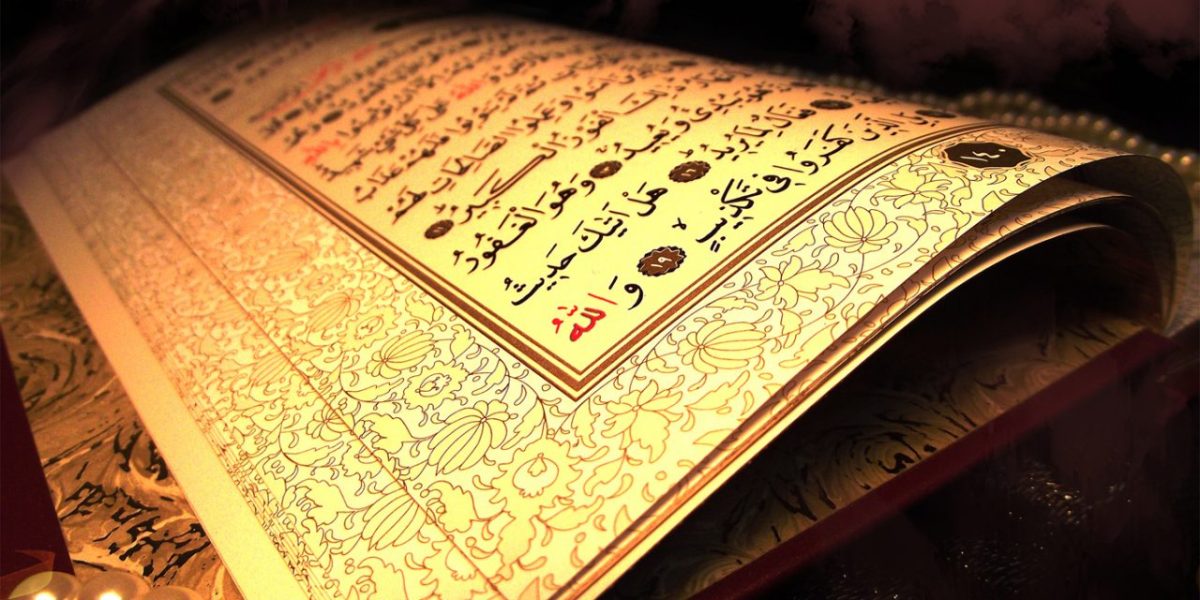
There is an unfortunate and incorrect stigma that Islam is an intolerant faith. So to wrap up my Quranic Quotes of the Week series, I’d like to give 10 examples of how the Quran REALLY instructs believers to view and treat those of other religions.
I find these passages instructive not only for separating some bad Islamic actors on the political stage from the true tenets of their doctrine, but also as a model for how we as Christians, or Buddhists, or adherents to any other belief system ought to love and respect each other. Though some parts of the Quran may sound harsh out of context, this is no different from the Bible or other religious texts. And if we take the goodness found within its 114 suras to heart, they can make us better human beings.
So here we go:
“The [Muslim] believers, the Jews, the Christians, and the Sabians—all who believe in God and the Last Day and do good—will have their rewards with their Lord. No fear for them, nor will they grieve.” (Quran, 2:62)
“We gave Moses the Scripture and We sent messengers after him in succession. We gave Jesus, son of Mary, clear signs and strengthened him with the Holy Spirit. So how is it that, whenever a messenger brings you something you do not like, you become arrogant, calling some impostors and killing others? … Low indeed is the price for which they have sold their souls by denying the God-sent truth, out of envy that God should send His bounty to any of His servants He pleases.” (Quran, 2:87, 90)
“Any who direct themselves wholly to God and do good will have their reward with their Lord: no fear for them, nor will they grieve.” (Quran, 2:112)
“The Jews say, ‘The Christians have no ground whatsoever to stand on,’ and the Christians say, ‘The Jews have no ground whatsoever to stand on,’ though they both read the Scripture, and those who have no knowledge say the same; God will judge between them on the Day of Resurrection concerning their differences.” (Quran, 2:113)
“Say, ‘We believe in God and in what was sent down to us and what was sent down to Abraham, Ishmael, Isaac, Jacob, and the Tribes, and what was given to Moses, Jesus, and all the prophets by their Lord. We make no distinction between any of them, and we devote ourselves to Him. So if they believe like you do, they will be rightly guided.’” (Quran, 2:136–137)
“Say, ‘How can you argue with us about God when He is our Lord and your Lord? Our deeds belong to us, and yours to you.’” (Quran, 2:139)
“Say, ‘People of the Book, let us arrive at a statement that is common to us all: we worship God alone. …’ If they turn away, say, ‘Witness our devotion to Him.’” (Quran, 3:64)
“We have assigned a law and a path to each of you. If God had so willed, He would have made you one community, but He wanted to test you through that which He has given you, so race to do good: you will all return to God and He will make clear to you the matters you differed about.” (Quran, 5:42)
“Fulfil any pledge you make in God’s name and do not break oaths after you have sworn them, for you have made God your surety: God knows everything you do. Do not use your oaths to deceive each other—like a woman who unravels the thread she has firmly spun—just because one party may be more numerous than another. God tests you with this, and on the Day of the Resurrection He will make clear to you those things you differed about. If God so willed, He would have made you all one people, but He … guides whoever He will. You will be questioned about your deeds.” (Quran, 16:91–93)
“[Believers], argue only in the best way with the People of the Book, except with those of them who act unjustly. Say, ‘We believe in what was revealed to us and in what was revealed to you; our God and your God are one [and the same]; we are devoted to Him.’” (Quran, 29:46)
 The Commonplace Notebook